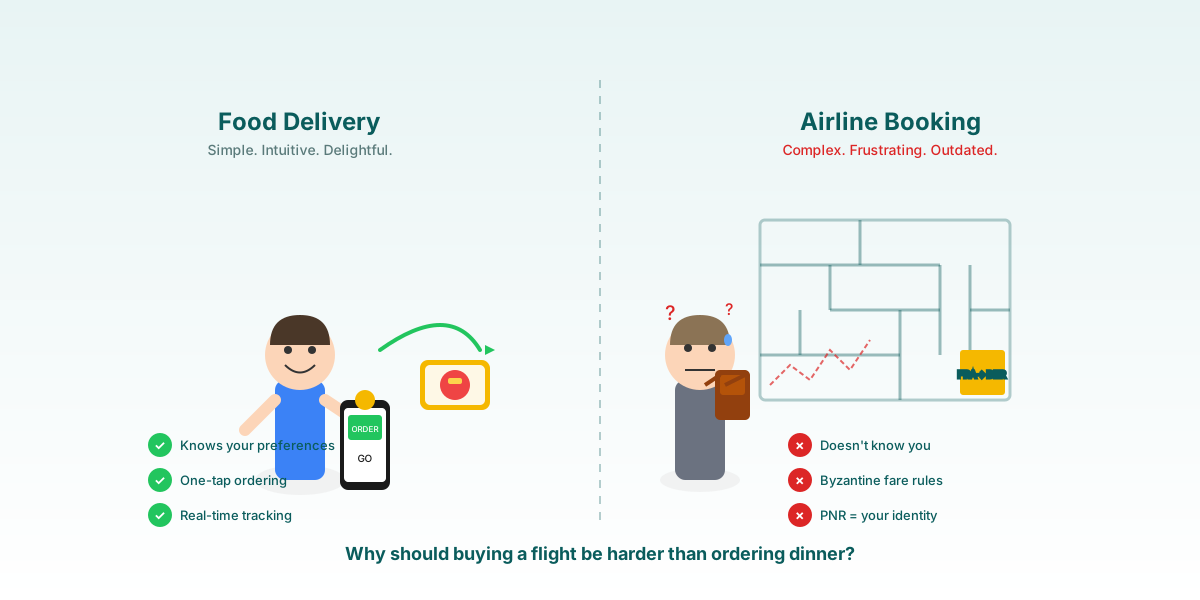
Order food on your phone and it arrives quickly. Simple. Intuitive. Delightful. Now try booking a flight from Frankfurt to Berlin—and suddenly you're navigating a labyrinth of fare classes, restrictions, and legacy systems that still shape too much of the customer journey.
A Tale of Two Experiences
Consider this contrast: When you order dinner through an app, the system knows your preferences, suggests your favourites, handles payment seamlessly, and lets you track your order in real time. The experience is built entirely around you.
But when you book a flight? The system doesn't know you—it knows your PNR. A cryptic booking reference becomes your identity. Want to change something? Navigate the maze. Want to add a bag? Start over. Want to see all your bookings in one place? Good luck.
The Reality Gap
Customers are used to digital experiences that remember context, remove unnecessary effort, and make next steps obvious. Airline booking flows often still ask them to translate booking logic into customer effort. The technology to close that gap already exists.
The Old Way: PNR-Centric Systems
Traditional airline systems organise everything around the Passenger Name Record (PNR)—a booking-centric approach designed in an era of paper tickets and travel agents.
The New Way: Customer-Centric Systems
Modern platforms organise data around the customer, not the booking. This fundamental shift changes everything:
Persistent Profiles
Every interaction builds a richer understanding of each customer's preferences and needs.
Personalised Offers
Relevant recommendations based on actual history, not generic upsells.
Unified View
All bookings, preferences, and loyalty data in one seamless experience.
Flexible Journeys
Easy modifications, upgrades, and changes without the maze.
Real Business Impact
Customer-first isn't just a buzzword. It creates the conditions for stronger commercial performance:
Making the Transition
The good news: moving to a customer-first approach doesn't require ripping out existing systems. Modern platforms integrate with legacy infrastructure while providing new customer-centric capabilities on top.
The airlines that embrace this shift will be the ones that thrive. The ones that don't? They'll keep wondering why their customers feel like they're hiking through a labyrinth just to buy a simple ticket.
Ready to Put Customers First?
See how Retailaer helps airlines transform from PNR-centric to customer-centric retailing.
Get in Touch